

Flow-bench verified
Advanced Cleaning Technology
Thermal and pneumatic cleaning equipment with calibrated flow benches, so every result is measured rather than asserted.
DPF cleaning & diagnostics in Nashik, Maharashtra
Call for a free quoteCall for a free quote: +91 99234 78692Bring us the vehicle or the filter on its own and you get a measurement before anything is quoted. We test on a calibrated flow bench, clean through the full channel depth, and test again, so the number on your report is the restoration you actually received, not the one we hoped for.
Most cars, SUVs and light commercials are finished the same day. Heavier plant and filters that need the fault traced upstream take longer, and we will tell you which yours is before you commit.
A diesel particulate filter is a ceramic honeycomb in the exhaust that traps soot before it leaves the tailpipe. Mandatory on BS-IV and BS-VI vehicles in India, it is designed to burn that soot off periodically in a process called regeneration.
What regeneration cannot burn off is ash: the incombustible residue of engine oil and additives. Ash accumulates permanently across the filter’s life, and once enough of it has collected no amount of driving will clear it. That is the point at which the filter needs cleaning rather than another regeneration cycle.
Servicing every major diesel platform
Every filter is tested on a calibrated flow bench before we touch it and tested again before it goes back. That single habit is the difference between a repair and a result, and it is why the report you leave with carries measurements rather than assurances.
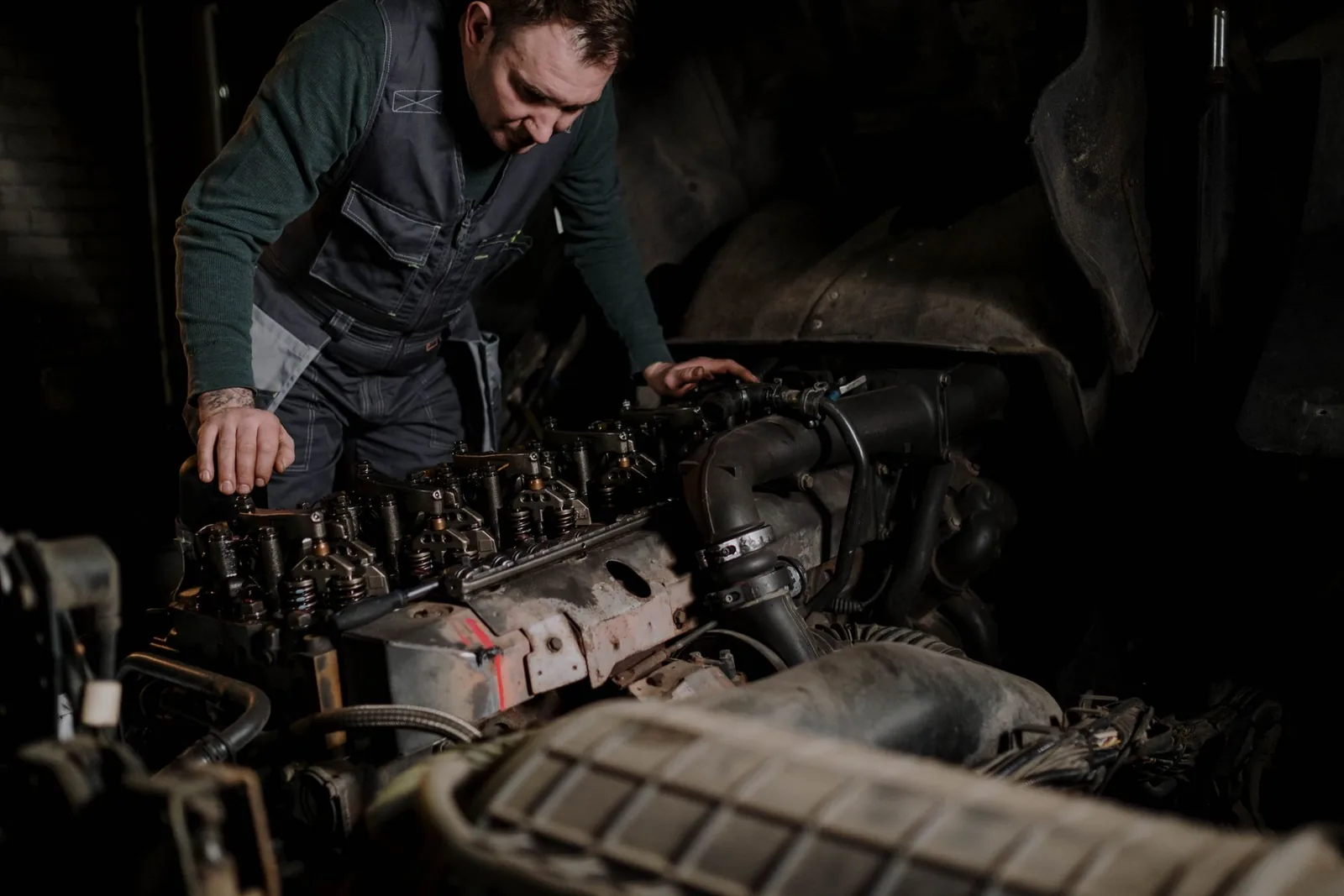
Thermal and pneumatic cleaning equipment with calibrated flow benches, so every result is measured rather than asserted.
A replacement filter costs many times what a clean does. We assess whether cleaning will actually work before you are charged for it, and tell you plainly when it will not.
Every clean carries a written warranty on flow restoration, backed by the documented before-and-after test results.
The core of the work. Sensors, injectors, turbochargers and sector programs sit alongside it.
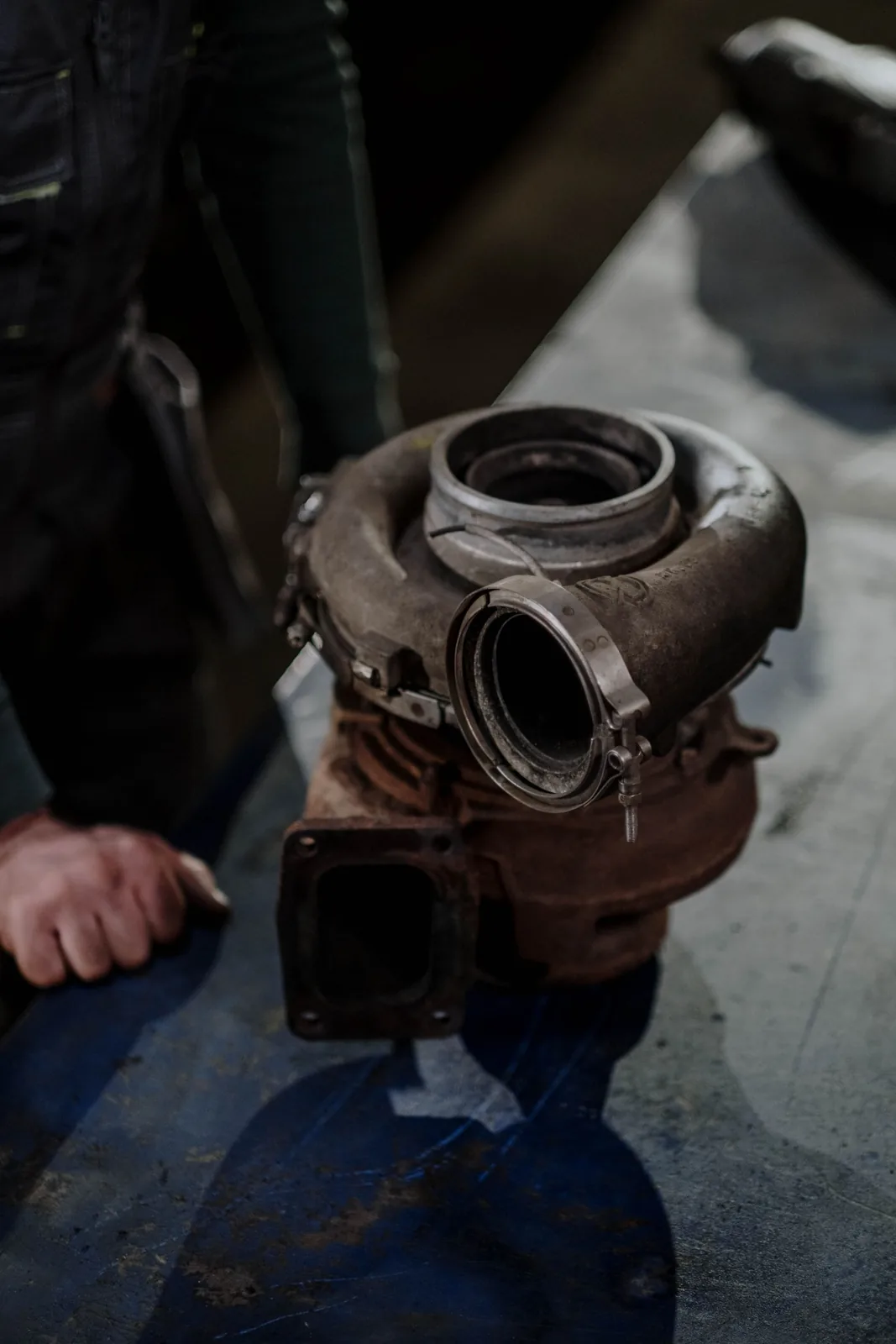
Exhaust gas is forced through the porous walls between the filter's channels. Soot is caught on the way through; the gas that leaves is clean.
Channels are plugged alternately, so gas entering one has nowhere to go but sideways through the wall into its neighbour. That wall is the filter. It is also why a blockage builds from the inside rather than as a layer you can see or brush off the face.
Soot is burned away periodically during regeneration, which needs sustained exhaust temperature to work. Ash is what remains afterwards: incombustible, and accumulating for the life of the filter. Regeneration cannot touch it, which is the whole reason physical cleaning exists.
Short urban journeys are the common culprit: the exhaust never gets hot enough for long enough, regeneration keeps being attempted and abandoned, and soot loads faster than it clears.
Illustration of a wall-flow filter face, not a photograph of a specific job.
A documented sequence from arrival to handover. The first five are below; you receive the measurements from every stage in a written report.
The filter is booked in against a job number before anything is touched.
An inspection to determine whether cleaning will actually achieve anything.
Flow and back pressure measured before cleaning, because without a before there is no after.
Multi-stage thermal and pneumatic cleaning through the full channel depth.
Objective verification on a calibrated flow bench: the proof the clean worked.
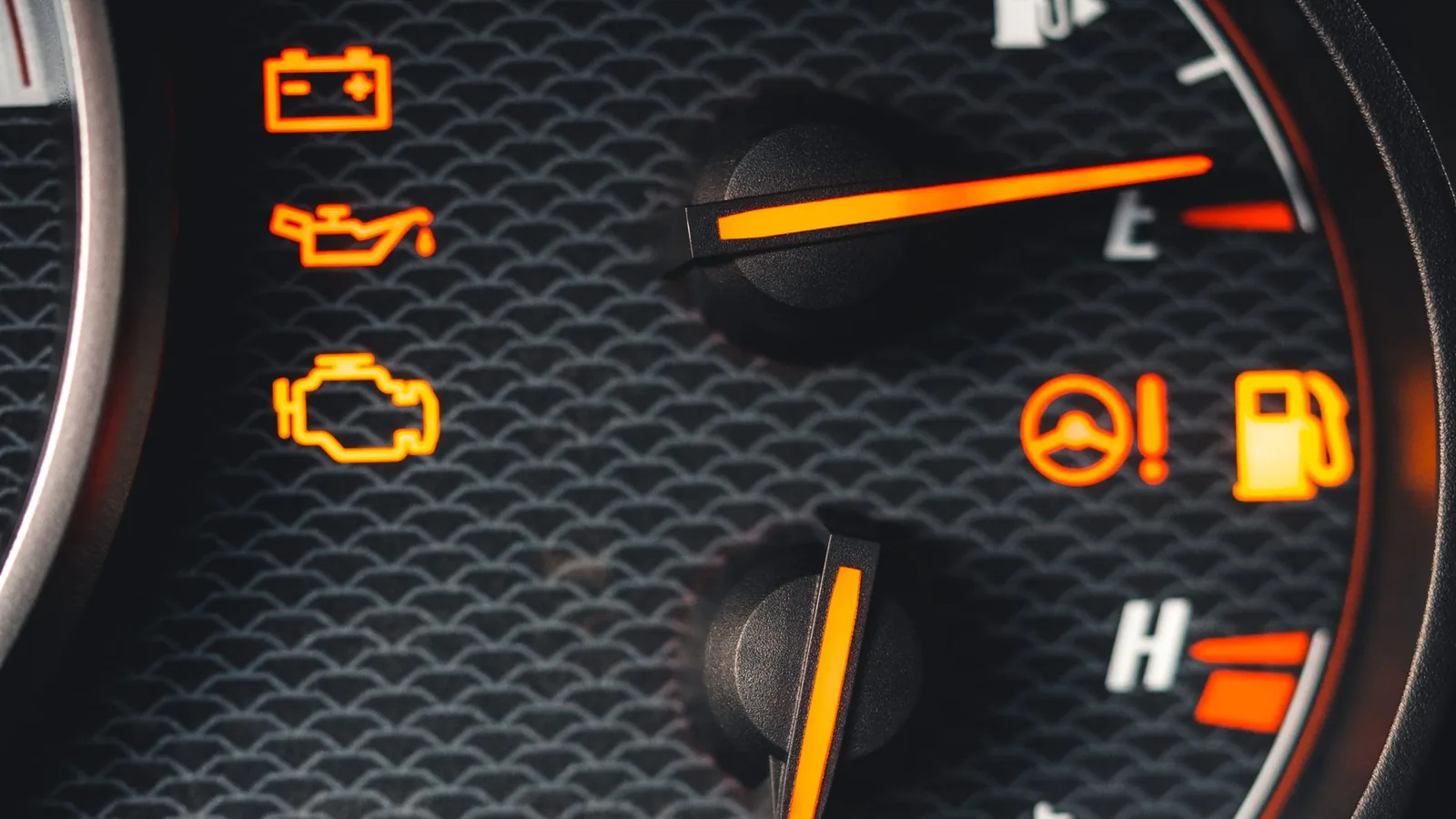
A filter warning is the vehicle telling you the exhaust is no longer flowing as designed. Ignored, it escalates in a predictable order: a light, then reduced power, then a filter that has passed the point of being cleanable at all.
Past a certain back pressure the ECU protects the engine by capping power and revs. The vehicle will still move, but only far enough to reach a workshop, and on a working vehicle that is a day of earnings gone.
A restricted filter makes the engine work harder for the same road speed, and repeated failed regeneration attempts inject extra fuel that never turns into motion. The loss is gradual, which is exactly why it goes unnoticed.
A ceramic substrate lasts a long time if ash is removed before it hardens. Left long enough it stops being cleanable, and the choice narrows to replacement: many times the cost of the clean that would have prevented it.
The physics inside the filter is the same either way. Everything around it, scheduling, turnaround, reporting and billing, is not.
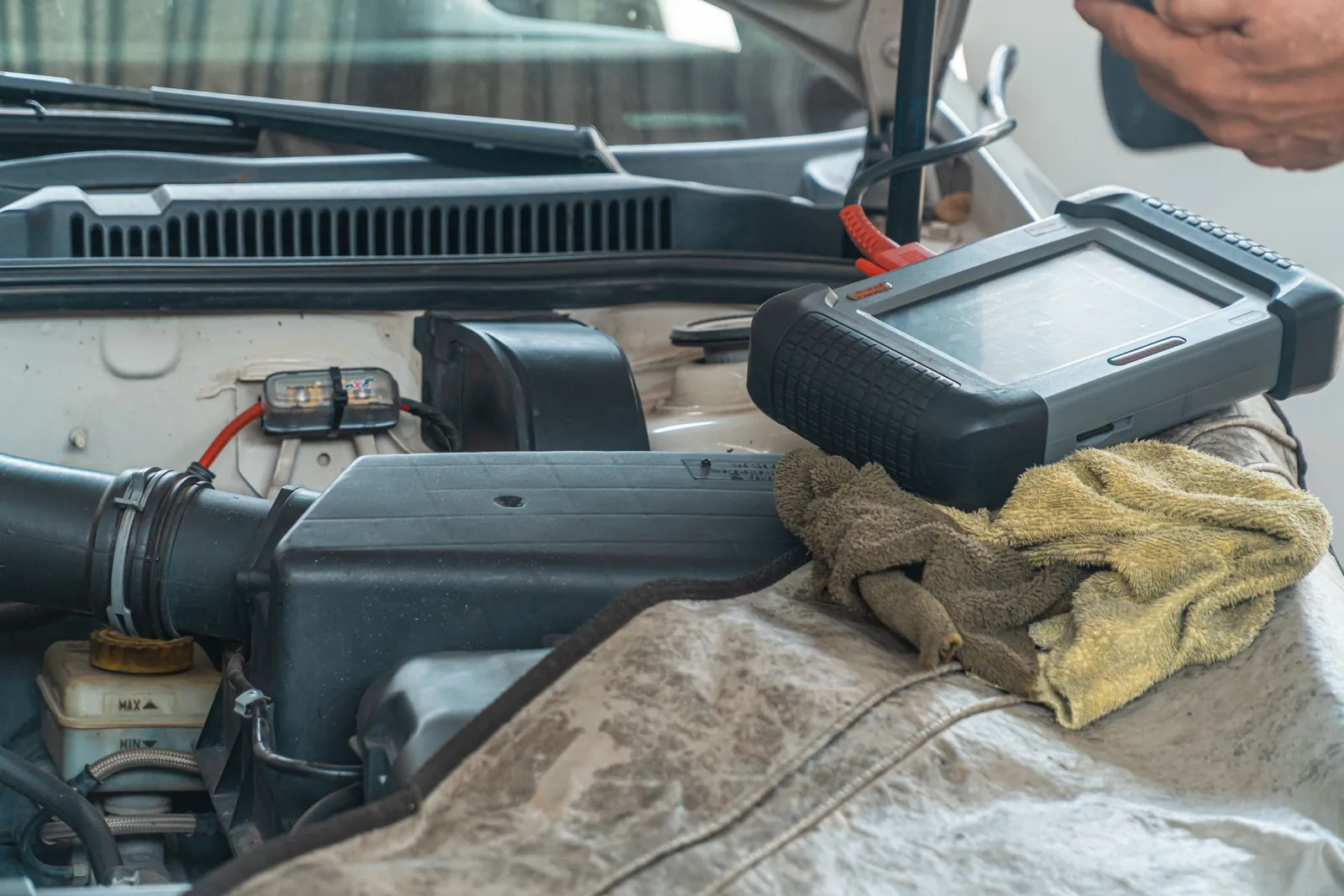
Bring the vehicle in and you get a measurement before anything is quoted, including an honest answer when the filter is not your problem.

For a fleet, DPF servicing should be planned, budgeted and scheduled around vehicle availability. Our contracts are built on that premise.
Four tools that give you a real answer in under a minute: no account, no obligation, no sales call unless you ask for one.
A workshop that does one thing. Diesel after-treatment is not a sideline here: it is the whole business, which is why the equipment, the measurements and the warranty all exist in the first place.
A general garage sees a blocked filter a few times a year and reaches for the parts catalogue, because that is the answer it can be confident in. We see them daily, which is what makes restoring one a routine job rather than a gamble.
That also means we will occasionally tell you the filter is not your problem: a drifted sensor, a leaking injector, a driving pattern that never lets the vehicle regenerate. You will get that answer with the measurements behind it, even when it costs us the job.
Before & after
Flow-bench measured
Every filter tested on arrival and again before handover
6 steps
Documented process
Received to returned, with the readings issued as a report
Same day
On most light vehicles
Cars, SUVs and light commercials, subject to assessment
12 months
Warranty on cleaning
Covering the flow restoration recorded on your report
Where we operate
Nashik
Maharashtra
Workshop open
Mumbai
Maharashtra
Opening soon
Hyderabad
Telangana
Opening soon
Filters can be sent to the Nashik workshop from anywhere in India by courier: the vehicle does not have to travel. On-site work and collection are currently offered across Maharashtra.
Straight answers, including the ones that might talk you out of a service you do not need.
A Diesel Particulate Filter is a honeycomb ceramic substrate fitted in the exhaust system that traps soot particles before they leave the tailpipe. It is mandatory on BS-IV and BS-VI vehicles in India. The filter is designed to periodically burn off trapped soot in a process called regeneration, but it cannot burn off ash, which accumulates permanently over the filter's life and eventually requires physical cleaning.
Two different things accumulate. Soot is combustible and is removed by regeneration. Ash, from engine oil additives and normal wear, is not combustible and builds up permanently. A filter blocks when either regeneration stops working (so soot accumulates faster than it clears) or when ash has simply filled the substrate over years of service. Short urban trips, excessive idling, faulty injectors, a failing turbocharger, EGR problems and low-quality fuel all accelerate the process.
Passenger cars and SUVs typically start from ₹8,500, light commercial vehicles from ₹12,000, and heavy commercial or off-highway equipment from ₹18,000 depending on filter size and condition. The exact figure depends on the vehicle, the degree of ash loading and whether any upstream faults need correcting. For context, a replacement DPF commonly costs between ₹80,000 and ₹4,00,000: cleaning is usually a small fraction of that. Use our quote calculator for an instant estimate, or send vehicle details for a firm quotation.
Most passenger car and light commercial filters are completed within a single working day, typically four to eight hours from the filter reaching us to it being ready for collection. Heavy commercial and off-highway filters may take longer depending on size. Note that we clean the filter itself: it comes to us already removed, and goes back to your own workshop to be refitted. Fleet customers on contract can use our loan filter pool, so a cleaned filter is available to go on as yours comes off, which keeps the vehicle earning while its own filter is here.
Yes, where the performance loss was caused by exhaust restriction, which it usually is. A blocked filter raises back pressure, which directly reduces power and increases fuel consumption. Our flow bench testing regularly shows restoration to within 95–99% of original flow, and the corresponding recovery in power, throttle response and fuel economy is immediate and measurable. What cleaning cannot fix is a performance problem with a different root cause, which is precisely why we diagnose before we clean.
As a general guide: passenger vehicles every 1,20,000 to 1,50,000 km, commercial vehicles every 1,50,000 to 2,00,000 km, and off-highway equipment every 3,000 to 5,000 engine hours. Duty cycle matters more than the number itself: heavy idling, urban stop-start running, dusty environments and high-load operation all shorten the interval considerably. Fleet customers on contract get intervals calculated from their actual operating data rather than a generic figure.
Send us the vehicle, the symptoms and a photograph of the fault code. You will get an honest assessment of whether cleaning will help, including when it will not.